
To help extend the shelf life of your homemade lotions and prevent them from going bad, you can incorporate the following ingredients and practices:
- Use Preservatives:
- Optiphen: A popular paraben-free preservative that’s effective against bacteria, yeast, and mold.
- Geogard ECT: A broad-spectrum preservative that is effective against bacteria and fungi and is derived from natural sources.
- Leucidal Liquid SF: A natural antimicrobial ingredient derived from fermented Lactobacillus, effective in preserving cosmetic formulations and enhancing skin health.
- NataPres: A natural preservative derived from fermented sugars and plant extracts, designed to inhibit microbial growth and extend the shelf life of personal care products.
- Phytocide Aspen Bark: An extract from aspen bark known for its antibacterial and anti-inflammatory properties, commonly used in skincare products to promote a clearer complexion.
- Vitamin E Oil: While primarily an antioxidant, it can help extend the shelf life of oils by preventing them from going rancid.
- Antioxidants:
- Rosemary Oleoresin Extract (ROE): A natural antioxidant that helps prevent oxidation and rancidity in oils.
- Tocopherol (Vitamin E): As mentioned, it can also serve as an antioxidant, helping to prolong the life of the oils in your lotion.
- Storage Practices:
- Use Clean Equipment: Ensure that all utensils, containers, and equipment are thoroughly sterilized before use to prevent contamination.
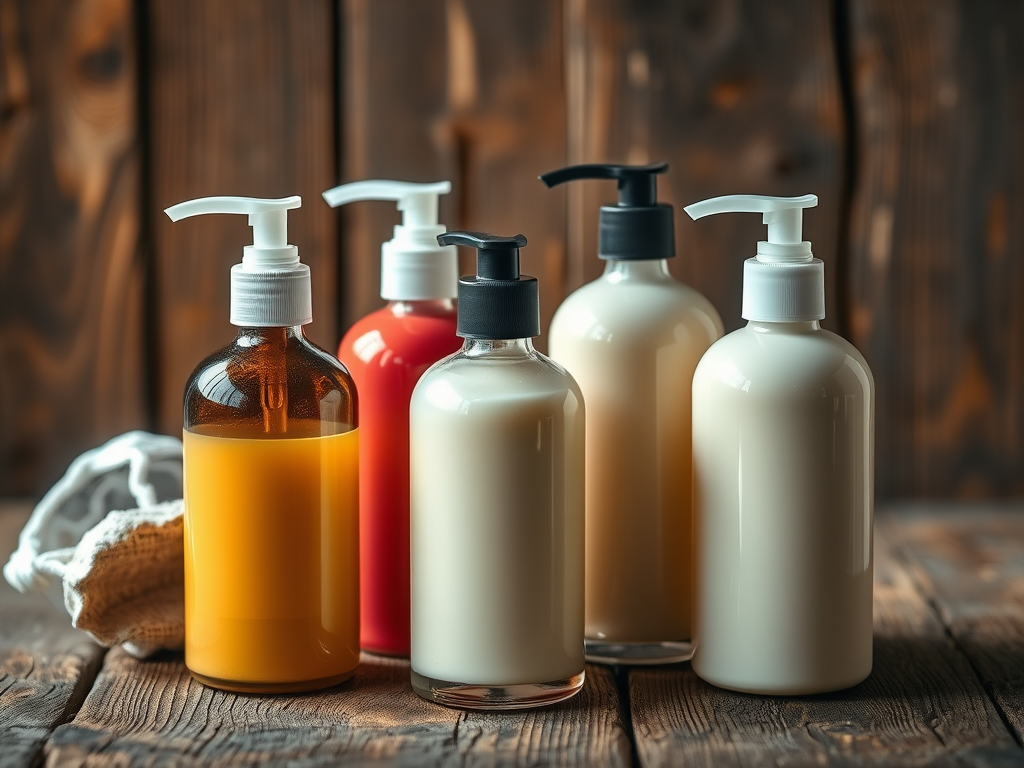
- Store in Dark Containers: Use dark glass jars or bottles to protect the lotion from light, which can degrade certain ingredients.
- Keep in a Cool, Dry Place: Store your lotions in a cool environment, away from heat sources to slow down the degradation process.
- Avoid Water Exposure:
- If your lotion includes water as an ingredient (like in the oatmeal lotion), consider using a water-free formula or reducing the water content to minimize the chance of microbial growth.
- Use a preservative specifically designed for emulsified products if you include water or hydrosols.
- pH Adjustment: pH Testing Strips: Test and adjust the pH of your lotion to be slightly acidic (around pH 4.5-5.5) to inhibit the growth of bacteria and mold. You can use citric acid or lactic acid to lower the pH.
- Batch Size: Make smaller batches that can be used within a shorter time frame to reduce the risk of spoilage.
- Refrigeration: If your lotion does not contain preservatives, consider storing it in the refrigerator to prolong its shelf life.

 Aprile's Kitchen