Growing shiitake mushrooms at home is a rewarding and delicious endeavor that can yield fantastic results. Known for their rich, savory flavor, shiitake mushrooms are not only a culinary delight but also offer numerous health benefits. Whether you’re a seasoned gardener or a curious beginner, this guide will walk you through the process of cultivating your own shiitake mushrooms.
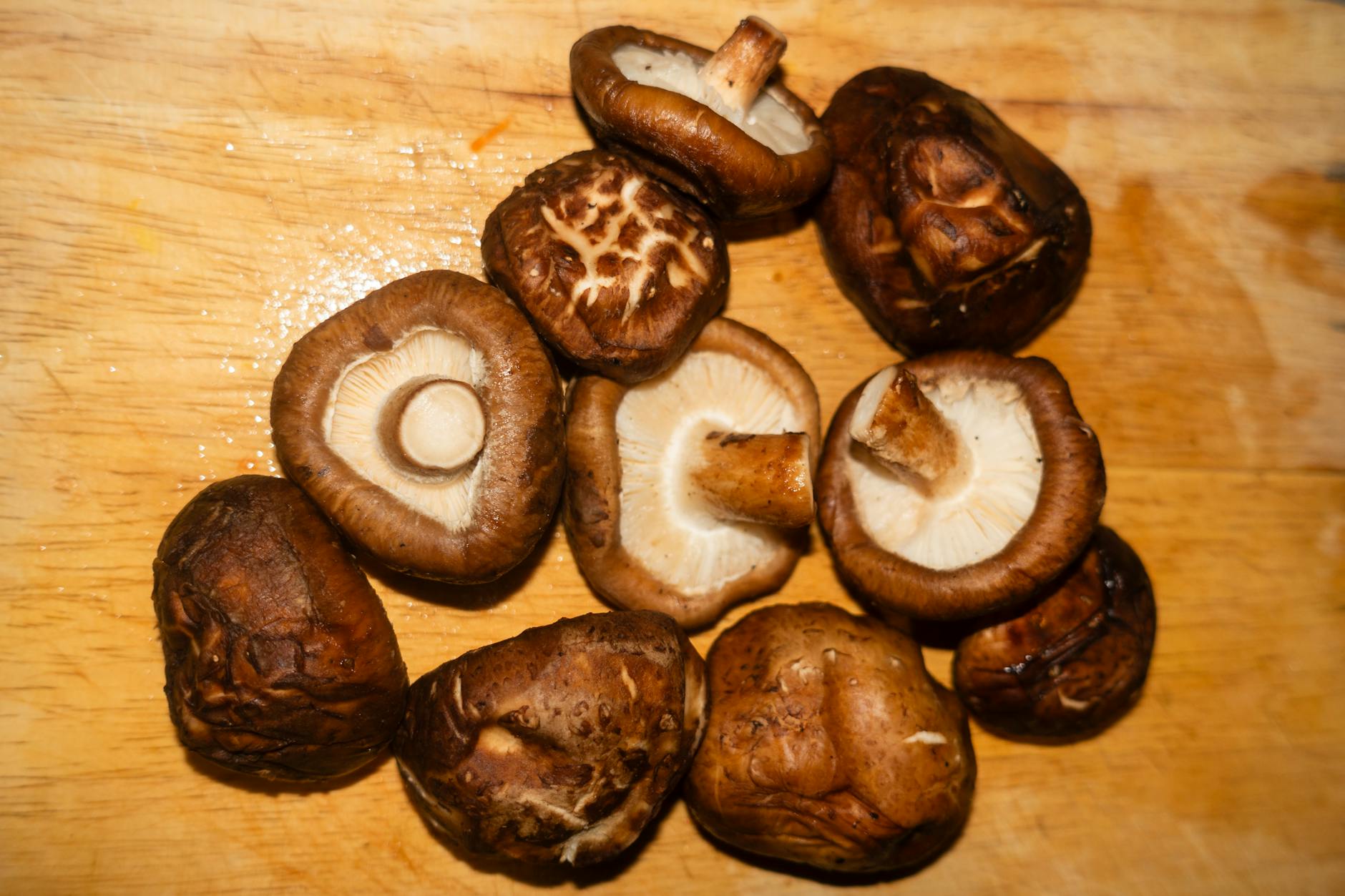
Shiitake mushrooms (Lentinula edodes) are one of the most popular gourmet mushrooms around the world, prized for their unique flavor and texture. They are rich in nutrients, including vitamins B and D, and possess immune-boosting properties. Growing your own shiitake mushrooms allows you to enjoy fresh, organic produce right from your home while saving money on grocery bills.
Materials:
– Logs or Sawdust: Shiitake mushrooms can be grown on hardwood logs (such as oak, maple, or beech) or in sterilized sawdust. Logs should be freshly cut, ideally less than a few weeks old, and around 3-4 feet long.
– Spawn: Mushroom spawn is the equivalent of seeds for mushrooms. You can purchase shiitake mushroom spawn from a reputable supplier in the form of plug spawn (for logs) or sawdust spawn (for bags).
– Drill and Drill Bit: For inoculating logs, you’ll need a drill with a bit that matches the diameter of your plug spawn.
– Wax: Food-grade wax (such as beeswax or paraffin) is needed to seal the holes after inoculation.
– Plastic Bags (if using sawdust): For growing shiitake mushrooms in sawdust, you’ll need clean, breathable plastic bags.
Optional:
– Straw or other bedding materials: If you are growing in bags, you might want to mix in some straw for additional nutrients.
– Humidity tent or misting system: To maintain humidity levels during the growing phase.
Step-by-Step Guide
1. Select and Prepare Your Logs
– Choose a healthy, freshly cut hardwood log that is free from disease and pests. Ideally, the log should be 4-6 inches in diameter.
– Cut the logs to a manageable length (about 3-4 feet) and allow them to sit for a few days to let the surface dry slightly.
2. Inoculate the Logs
– Using a drill, make holes in the log about 6 inches apart, inserting the plug spawn into each hole.
– After placing the spawn, seal the holes with melted wax to protect the spawn from contamination and prevent moisture loss.
3. Incubate the Logs
– Place the inoculated logs in a shaded, humid environment. You can lay them on a bed of straw or in a shady area of your garden.
– Keep the logs moist by soaking them in water for 24 hours every few weeks. This will help stimulate mycelium growth.
4. Wait for Mycelium Growth
– It can take several months (6-12 months) for the mycelium to fully colonize the log. You’ll know it’s ready when the log turns a white color and you see mycelium growth on the surface.
5. Initiate Fruiting
– Once the logs are fully colonized, you can initiate fruiting by soaking them in cold water for 24 hours. This simulates a natural environment and encourages the mushrooms to sprout.
– After soaking, place the logs back in the shade, and mist them regularly to maintain humidity.
6. Harvesting
– Shiitake mushrooms will begin to fruit after a few weeks. Harvest them when the caps are still slightly curved and before they flatten out.
– Use a sharp knife to cut the mushrooms at the base.
7. Enjoy Your Shiitake Mushrooms
– Freshly harvested shiitake mushrooms can be used in a variety of dishes, from stir-fries to soups and salads. Their rich umami flavor adds depth to any meal!
When it comes to growing shiitake mushrooms, the best types of hardwood logs are those that are dense and have a high lignin content, which provides the nutrients shiitake mushrooms need to thrive. Here are some of the top hardwoods recommended for shiitake mushroom cultivation:
1. Oak
– Varieties: White oak, red oak, and live oak are all excellent choices.
– Benefits: Oak logs are dense and provide a good nutrient source for shiitake mushrooms, leading to robust yields.
2. Maple
– Varieties: Sugar maple and red maple are preferred.
– Benefits: Maple logs are also dense and nutritious, making them a great option for shiitake cultivation.
3. Beech
– Benefits: Beech wood has a high sugar content, which can enhance mushroom growth and flavor.
4. Birch
– Benefits: Birch logs can also be used, although they may not produce as many flushes as oak or maple. They can still yield a good harvest.
5. Poplar
– Benefits: Poplar is another viable option, but it’s less nutrient-dense than the other hardwoods. It can be used if other options are not available.
Important Considerations:
– Freshness: Use freshly cut logs, ideally from trees that have been felled within the last few weeks. This helps ensure that the wood is free from contaminants and has a high moisture content, which is important for mycelium colonization.
– Diameter: Logs should typically be 3 to 6 inches in diameter for optimal results.
– Health of the Tree: Ensure that the logs come from healthy trees free of disease or pests.
By choosing the right type of hardwood log, you can maximize the success of your shiitake mushroom cultivation.
Tips for Success
– Patience is Key: Mushroom cultivation requires patience. Don’t be discouraged if it takes time for your shiitake mushrooms to grow.
– Maintain Proper Conditions: Keep an eye on humidity and temperature. Shiitake mushrooms thrive in cooler temperatures (50-70°F).
– Experiment with Different Substrates: If you’re using sawdust, consider mixing in other organic materials to enhance the nutrient content.
Growing shiitake mushrooms at home is a fun and educational project that can lead to a bountiful harvest. With a little effort and care, you can enjoy the satisfaction of cultivating your own gourmet mushrooms. So gather your supplies, follow these steps, and embark on your shiitake mushroom-growing journey today! Happy growing!

 Aprile's Kitchen